Grease Trap & Trade Waste Guide for Wangaratta Businesses
Common grease trap and trade waste problems for cafes, pubs and food producers in Wangaratta, and how to avoid them. Local commercial plumber
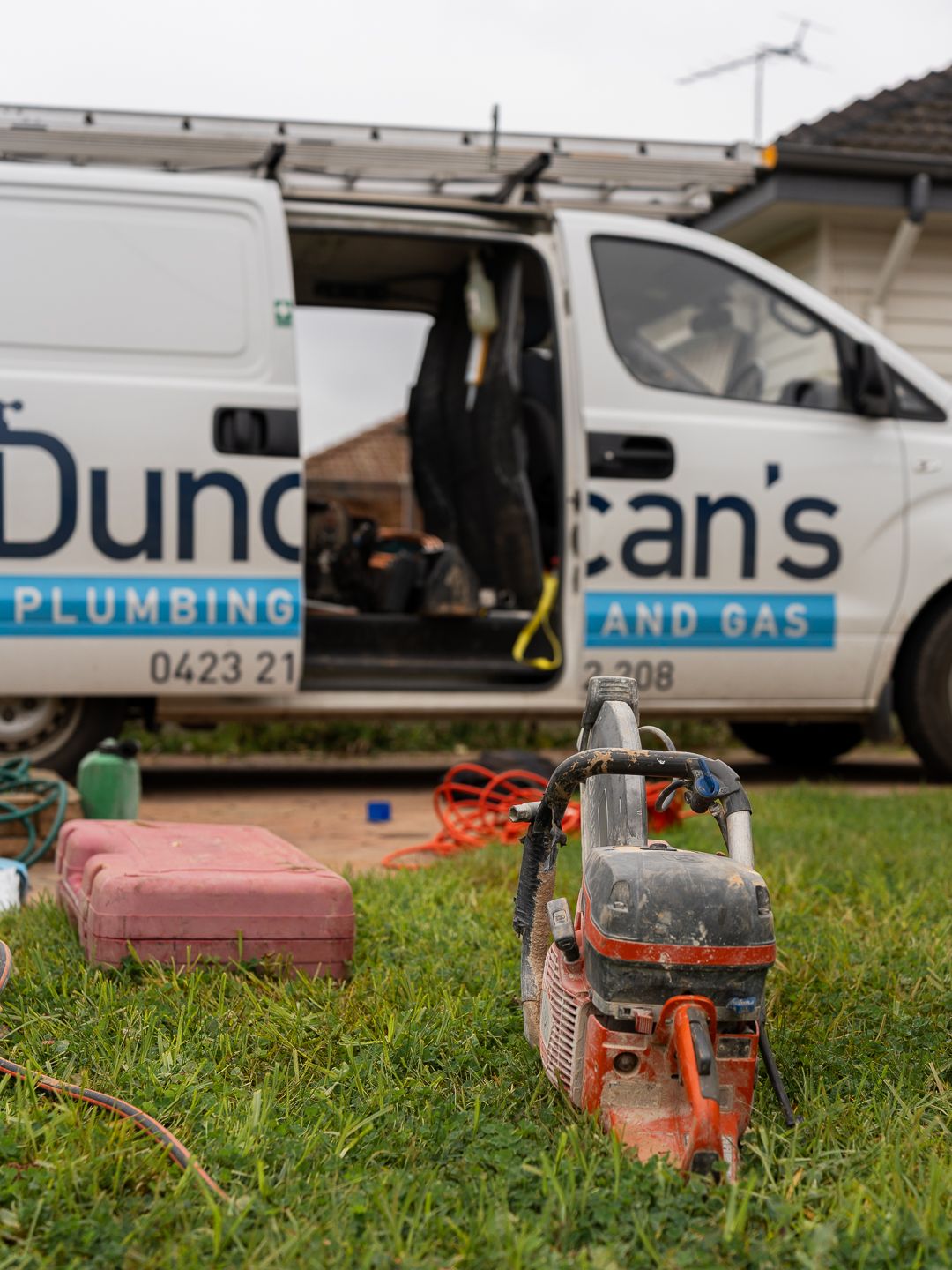
Grease traps and trade waste: what cafes, pubs and food producers need to get right
Most grease trap and trade waste problems we are called to come down to three things: the trap was installed incorrectly, it is not being emptied often enough, or it is being used in ways it was never designed for. We have had a lot of calls from cafes, pubs and food producers lately, and the pattern is the same each time.
The good news is that all three are preventable. This guide explains what a grease trap does, why traps fail, the warning signs to watch for, and how to keep your kitchen drains and your trade waste agreement in order.
What are trade waste and a grease trap?
Trade waste is wastewater from a business, other than office or staff amenity wastewater, and it often contains oils, grease or chemicals. Cafes, restaurants, pubs, care facilities and food producers all create it. Before you discharge it to the sewer you need a trade waste permit or agreement from your water authority. In our area that is usually North East Water, which issues commercial, industrial and one-off discharge permits. Their trade waste contact number is 1300 361 622.
A grease trap (also called a grease interceptor or arrestor) is the pre-treatment device that goes with it. It slows wastewater down so that fats, oils and grease rise to the surface and solids settle, keeping them out of the sewer network and your own pipes. The size you need depends mainly on how much liquid waste goes down the drain each hour.
Why grease traps fail
1. Incorrect installation. A trap that is too small for the kitchen, hard to reach for pump-outs, poorly vented or in the wrong place will cause trouble from day one. Water authorities typically expect that:
- the size matches how much liquid waste your kitchen sends down the drain each hour, confirmed by the authority
- a licensed plumber installs it, with any plumbing approval the authority requires
- the location is approved by your local council before installation
- the trap and its pump-out connection are easy for staff and the pump-out vehicle to reach
- covers are airtight and outlets are sealed and vented to control odours
2. Irregular maintenance. A trap only works while there is room in it for grease and solids. Your trade waste agreement sets how often it must be pumped out by an EPA-licensed liquid waste collector. Goulburn Valley Water says pump-outs are typically needed about every three months, and that missed pump-outs can lead to blockages in the sewer and your own pipes and to non-compliance costs.
3. Poor use. Pouring fryer oil down a sink, scraping plates into the drain or letting food scraps wash through overloads the trap faster than it was designed for. A well-installed trap still fails if the kitchen treats it like a bin.
Warning signs your grease trap is in trouble
- Kitchen or bar sinks draining slowly or gurgling
- Bad smells from floor drains, the trap or the kitchen
- Water backing up in floor gullies, especially during busy service
- Grease visible at the top of the trap, or overflowing
- Repeat blockages in the same drain line
- Pump-outs needed more often than your agreement says
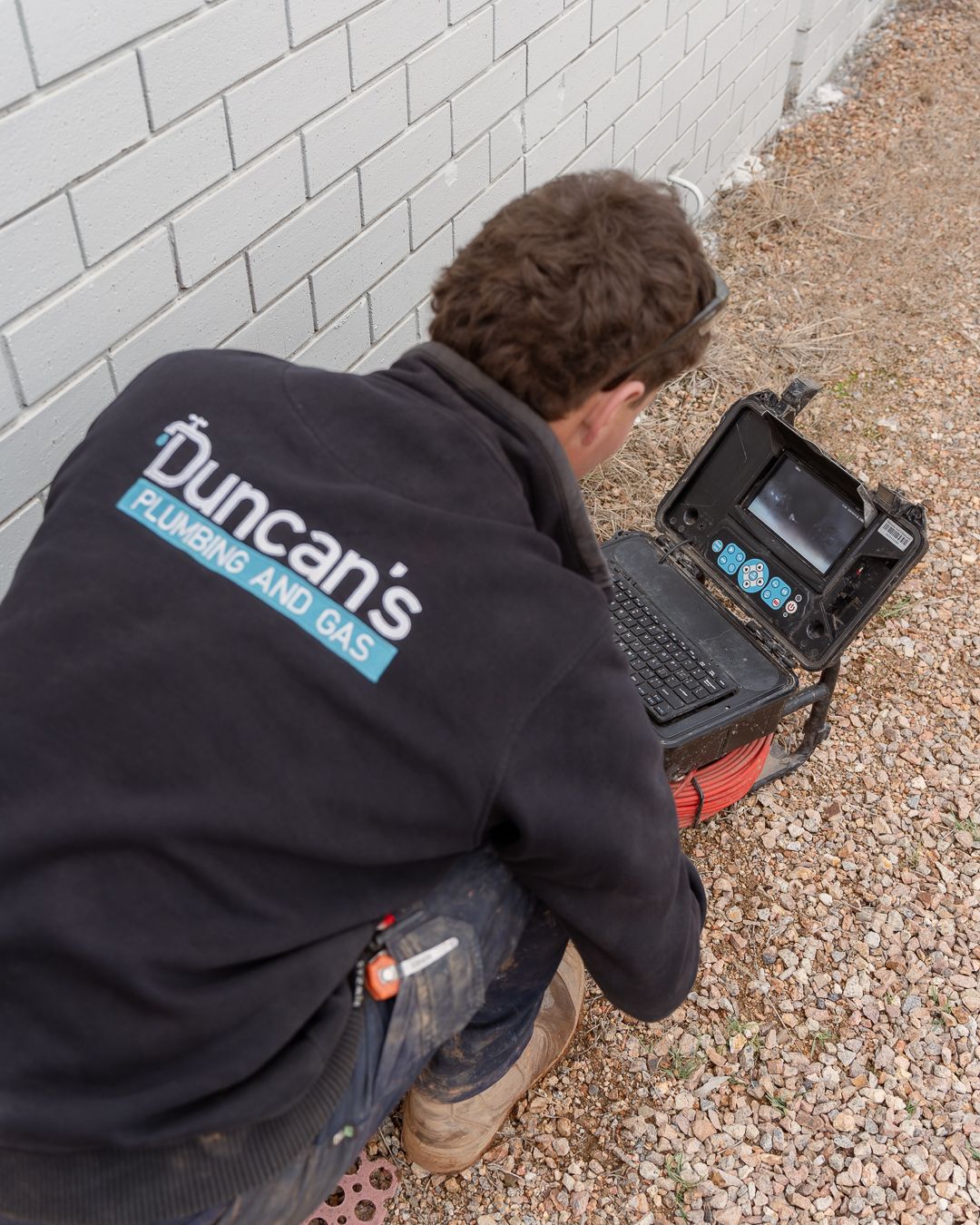
These signs mean grease is building up faster than the trap can handle, or the pipes after it are already coated. A CCTV inspection shows how far the problem goes.
Keeping up with maintenance
Pump-outs must be done by an EPA-licensed liquid waste collector at the frequency in your trade waste agreement. Water authorities say that frequency can be increased if problems arise, and that each pump-out should remove the whole contents and clean grease and solids from the internal surfaces.
- Put the pump-out dates in your calendar, using the frequency in your agreement
- Keep every pump-out docket so you can show you are meeting your agreement
- Book an earlier pump-out if you see warning signs or your trade has grown
- Make sure the connection point stays clear so the collector can reach it
- Ask us to inspect the lines after the trap if blockages keep returning
Kitchen habits that protect your trap
A few habits from your whole team make the biggest difference.
- Scrape plates and pans into the bin before washing, never into the sink
- Use strainers in every sink and empty them into the bin
- Never pour fryer oil or cooking fat down any drain; collect it for recycling
- Wipe greasy pans with paper towel before washing
- Keep food scraps, coffee grounds and cleaning chemicals out of the trap
- Check with your water authority before using degreasers or drain additives, as some can push grease through the trap and into the sewer
- Train new staff on these rules, and put them on a sign near the sinks
Getting the installation right
Opening a new venue, renovating a kitchen or moving into an existing site? Work through these steps before the trap goes in:
- Apply for a trade waste permit or agreement. Contact your water authority (North East Water on 1300 361 622 in most of our area) before you discharge to the sewer.
- Confirm the trap size. The authority works this out from how much liquid waste your kitchen produces each hour.
- Get the location approved. Your local council approves where the trap goes before installation.
- Use a licensed plumber. Only a licensed plumber should install the trap, with any plumbing approval the authority requires.
- Plan access. The pump-out connection needs to be easy to reach for the collector's vehicle and hose.
- Seal and vent it. Airtight covers and vented, sealed outlets help control odours.
If a trap installed years ago keeps causing problems, we can check it, the connections and the lines around it. See our CCTV drain inspections page.
What to do when a trap or drain line fails
- Stop using the affected sinks and fixtures. More water makes the backup worse.
- Call a licensed plumber. We can clear the blockage and use a CCTV camera to find the cause. See our emergency commercial plumbing service.
- Book a pump-out if the trap is full. An EPA-licensed liquid waste collector must empty it.
- Check your trade waste agreement. If the failure affected the sewer, you may need to tell your water authority.
- Talk to your council's environmental health officer if sewage has reached food preparation areas, to find out whether you need to stop trading while it is cleaned up.
A blocked line after the trap is often cleared with high-pressure drain cleaning.
Frequently asked questions
Does my cafe, pub or food business need a grease trap?
Food-related businesses often do. Your water authority confirms whether you need one, and what size, when you apply for your trade waste agreement.
How often does a grease trap need emptying?
Your trade waste agreement sets the frequency. Goulburn Valley Water says about every three months is typical, and it can be more often if problems arise.
Who can empty and install a grease trap?
An EPA-licensed liquid waste collector must empty it, and a licensed plumber should install it.
Can I pour fryer oil down the drain if I have a grease trap?
No. Traps are designed to catch the grease in normal wash water, not bulk oil. Collect used cooking oil for recycling.
Is trade waste only for big food producers?
No. Cafes, restaurants, pubs and care facilities all produce trade waste. Food producers with process wastewater may need an industrial permit, so talk to your water authority.
What happens if I skip pump-outs?
Grease and solids can block the sewer and your own pipes, and missed pump-outs can trigger a non-compliance process with extra costs.
Grease trap or trade waste problem? Talk to a local commercial plumber
Duncan's Plumbing & Gas works with cafes, pubs and food producers across Wangaratta and North East Victoria. We can inspect your trap and drain lines, correct installation problems and clear blockages. Call us on 0423 212 208 or request a quote online.
Related services
- Commercial plumbing maintenance
- Emergency commercial plumbing
- CCTV drain inspections
- High pressure drain cleaning
Sources
- Business.gov.au: North East Water trade waste permit and agreement
- Goulburn Valley Water: grease traps
- Coliban Water: installing a grease trap
Requirements vary between water authorities. Your North East Water trade waste agreement sets the conditions that apply to your business.
Having a problem? We’ll fix it today!
Plumbing emergencies can happen at any time. Whether it’s a burst pipe, a blocked sewer or a sudden hot water failure, Duncan’s Plumbing & Gas is ready to help.